Commercial general contracting in Middle Tennessee
You hold a completed set of drawings. We bid the work, hold the subcontracts, run the site, and deliver the building. Tennessee license #83639, BC Unlimited classification.
General contracting is the traditional delivery method. The owner engages an architect or engineer, produces a permit-ready set of drawings, then hires a contractor to build them for an agreed price.
Horn takes the drawings, prices the work, and carries responsibility for delivering the finished building. That includes holding every subcontract, sequencing the trades, managing plan review and permitting, scheduling inspections, and standing behind the work at close out.
The owner has one contract and one party accountable. When a problem appears in the field, resolving it is our responsibility, not something for you to mediate between a framer and an electrician.
This method suits owners who already have a design team, know what they want built, and want a fixed price against a fixed scope.
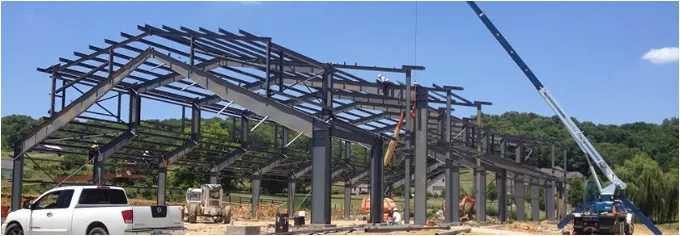
Structural erection on an active Middle Tennessee project.
Drawing review, constructability comments, quantity takeoff, subcontractor bidding, and a written budget with assumptions and exclusions stated by category.
Plan review submission, correction cycles, permit issue, trade permits, and inspection scheduling through construction. Requirements vary by county and we handle each one.
We hold every subcontract directly. Buyout happens before mobilizing, so the trades are locked in and priced rather than sourced mid-project.
Daily coordination, sequencing between trades, materials delivery, access control, and housekeeping. Keith is on site rather than managing remotely.
Weekly progress updates. Any change to scope is priced and issued in writing before the work proceeds.
Final inspections, certificate of occupancy, punch list walked with you and corrected, warranty documentation, and handover.
The Tennessee BC Unlimited classification places no restriction on the type of commercial building Horn can contract. The monetary limit is $1.5 million per project.
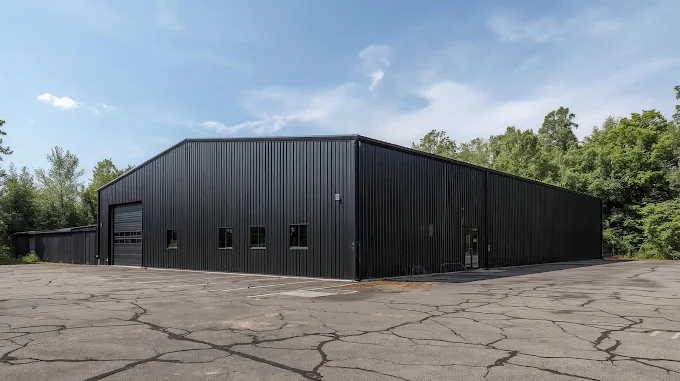
Horn builds with both conventional construction and pre-engineered steel. On warehouses, shops, and large clear span buildings a pre-engineered structure often saves cost and schedule. On buildings that need specific architectural character or complex interior structure, conventional construction fits better. We advise on which suits the project rather than defaulting to one.
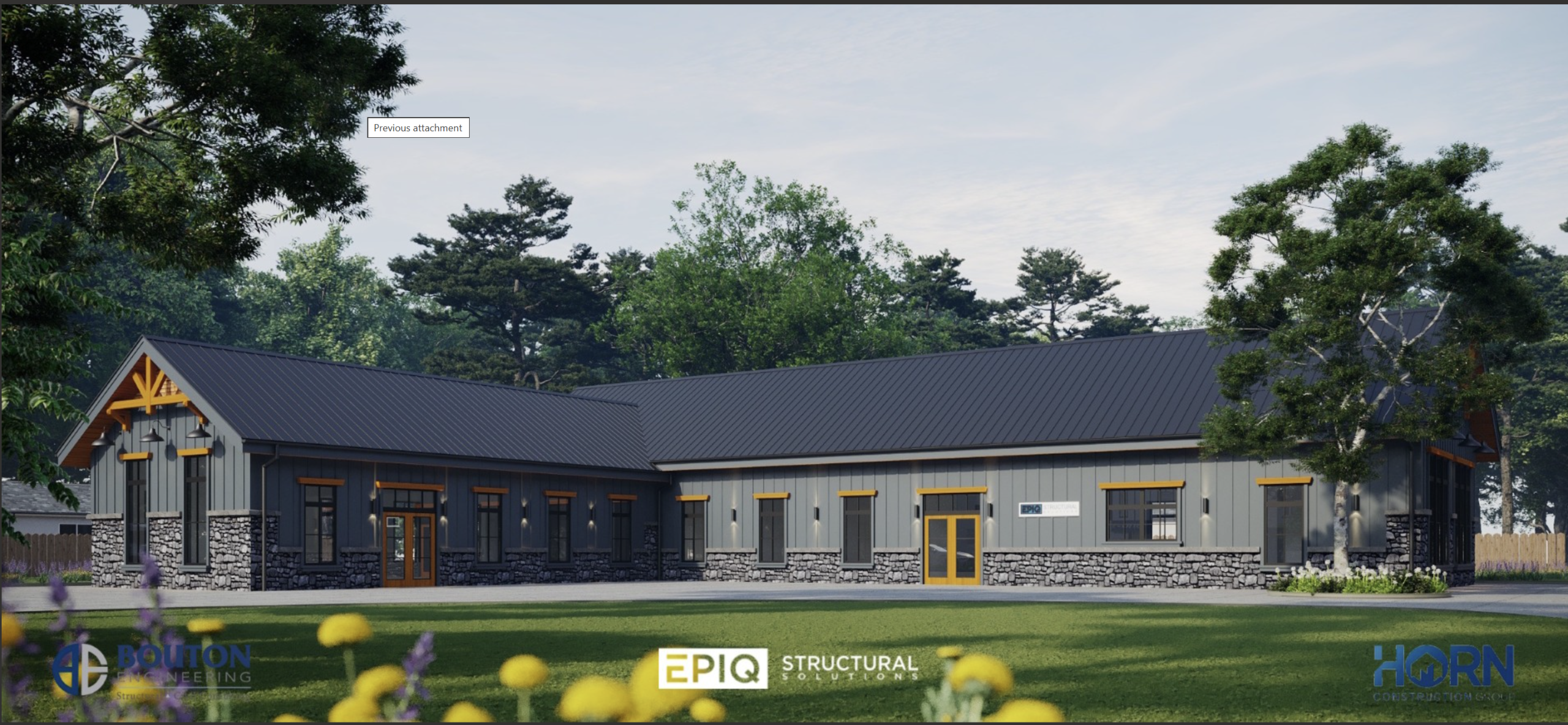
Ground-up office for a Nashville engineering firm.
A weathered steel frame rebuilt into a working asset.
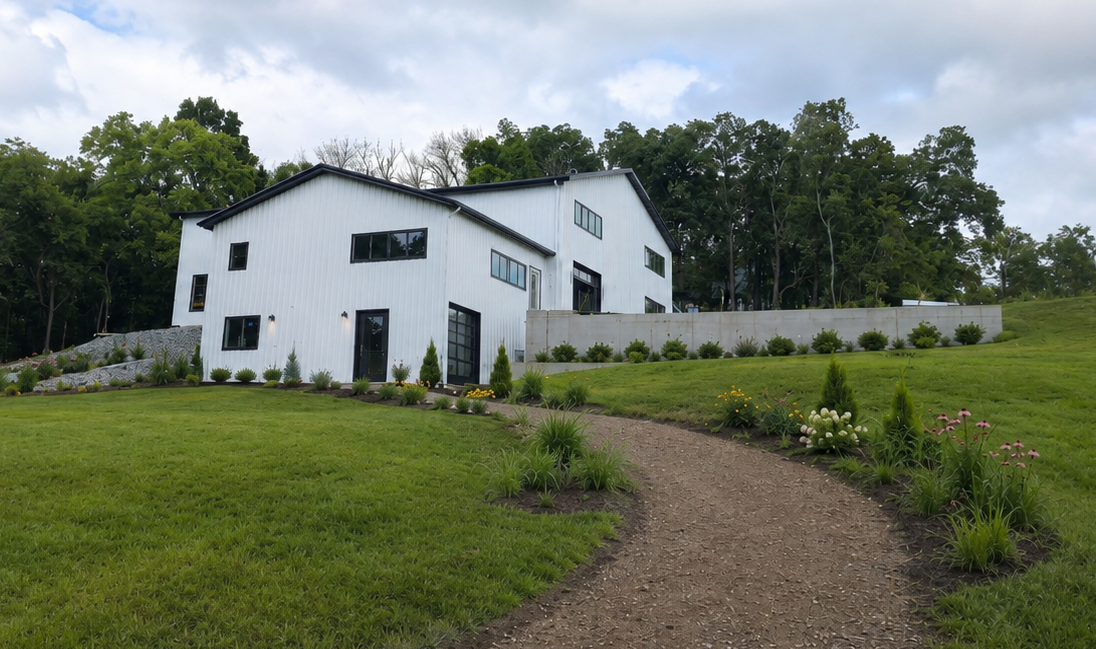
Custom facility with a full-court indoor basketball court.
A general contractor holds the construction contract with the owner and is responsible for delivering the completed building. That covers pricing the work, holding and managing every subcontract, obtaining permits, sequencing the trades, scheduling inspections, controlling the budget and schedule, and correcting the punch list at close out.
The trades perform the physical work. The general contractor is accountable for the result.
For general contracting, yes. This method assumes a permit-ready set of drawings from your architect or engineer.
If you have a site and a need but no drawings, design build is the better fit. Horn assembles and manages the design team under one contract, and the design develops against a known budget.
The Tennessee license carries a BC Unlimited classification with a $1.5 million monetary limit per project. That covers most mid-market commercial work in Middle Tennessee. For projects above that limit, get in touch and we can discuss the options.
Subcontractors carry their own general liability and workers compensation. Horn collects and holds current certificates before any trade sets foot on site, and carries $2 million general liability aggregate on its own account.
We review the drawings, walk the site, take off quantities, and bid the trade packages. The budget comes back separated by category, with assumptions and exclusions listed.
Exclusions matter as much as the total. Site work, utility runs, stormwater, and permit fees are the items most often left out of a low number, and two budgets are only comparable when they cover the same scope.
We will review the set, walk the site, and come back with a written budget by category.